Cow Dung Cakes Uses: Hawan, Agnihotra and Garden
Explore cow dung cakes uses, from hawan and agnihotra to dhoop and gardening. Learn how to use gau kande in pooja the traditional way and how to store them.
In Indian villages, rows of round cow dung cakes drying in the sun are a familiar and comforting sight. Known as gau kande, upale or gobar ke kande, these humble cakes have been part of Indian life for centuries – in the kitchen, in the fields and, above all, in pooja and hawan. Even in city homes today, cow dung cakes remain a cherished part of religious rituals.
In this guide we look at the many cow dung cakes uses: why they are preferred for hawan, how they are used in agnihotra and dhoop, their role in festivals, and how cow dung and its ash are used in gardening.
What Are Cow Dung Cakes?
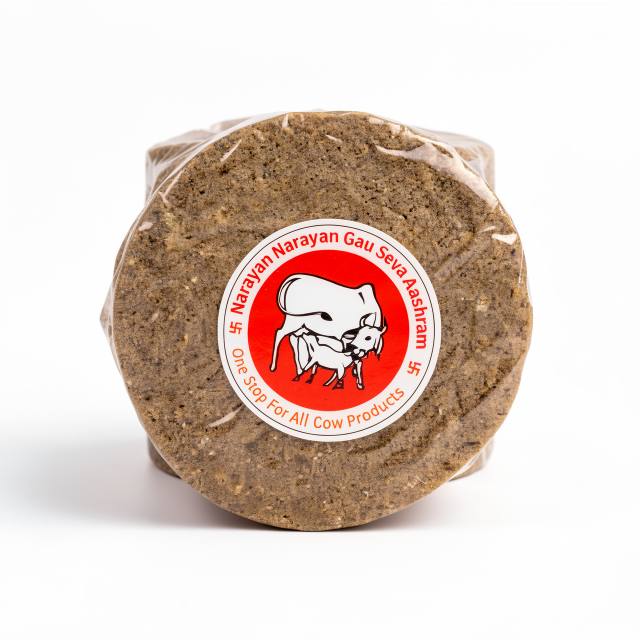
Cow dung cakes are made by shaping fresh cow dung by hand into flat, round cakes and drying them thoroughly in the sun. Once completely dry, they become light, firm and easy to store. When lit, they burn slowly and steadily with a gentle, earthy smell, which is why they have long been used as a natural fuel for sacred fires.
Why Are Cow Dung Cakes Considered Sacred?
In Sanatan tradition, the cow is revered as Gau Mata, and everything she gives – milk, curd, ghee and even dung – is regarded as pure. There is a traditional saying, "gomaye vasate Lakshmi", meaning that Goddess Lakshmi resides in cow dung. That is why homes and courtyards were traditionally plastered with cow dung before festivals, and why cow dung cakes are offered into the sacred fire with such reverence. Many families keep them at home believing they invite auspiciousness and Lakshmi's blessings.
1. Cow Dung Cakes for Hawan
Using cow dung cakes for hawan is perhaps their most important use. They form the base of the sacred fire in the hawan kund, often together with mango wood samidha.
- Easy to light: Well-dried cakes catch fire quickly with a little camphor and ghee.
- Steady burning: They burn slowly and evenly, giving a stable fire through all the ahutis.
- Traditional purity: They are considered among the purest fuels for offering ahutis to Agni Dev.
- Works with samagri: The glowing embers are ideal for offering hawan samagri, ghee and resins like guggal.
How to Use Cow Dung Cakes in Hawan
- Break two or three cakes into medium pieces and arrange them in the hawan kund with some space for air.
- Place a few pieces of camphor between them and add a little ghee.
- Light the camphor and let the cakes catch fire. Add mango wood if your tradition uses it.
- Once a steady flame forms, begin offering ahutis with hawan samagri and ghee.
Our organic and pure cow dung cakes for pooja are ready to use, so you do not have to search for them before every hawan.
2. Cow Dung Cakes in Agnihotra
Agnihotra is a simple Vedic fire ritual performed exactly at sunrise and sunset. It is traditionally done in a small copper vessel shaped like an inverted pyramid, using dried cow dung cakes as fuel, a little cow ghee and a few grains of unbroken rice smeared with ghee.
At sunrise, as the rice is offered into the fire, the following mantra is recited:
सूर्याय स्वाहा सूर्याय इदं न मम। प्रजापतये स्वाहा प्रजापतये इदं न मम॥
At sunset, the mantra is:
अग्नये स्वाहा अग्नये इदं न मम। प्रजापतये स्वाहा प्रजापतये इदं न मम॥
The phrase "idam na mama" means "this is not mine" – a beautiful expression of surrender. Those who perform agnihotra regularly often describe a sense of peace and discipline from the daily routine. If you wish to start agnihotra, it is best to learn the exact timings and method from an experienced practitioner.
3. Dhoop and Sandhya Ritual
Many households light a small piece of cow dung cake in a clay or brass dish in the evening, then sprinkle loban, guggal, a little ghee or hawan samagri on the glowing ember. The fragrant smoke is then carried through the house as part of sandhya dhoop. This is a simple, traditional way to offer dhoop without any stick or packaging.
4. Festivals and Rituals
- Holika Dahan: In many regions, small cow dung cakes and garlands of cow dung rings are offered into the Holika fire.
- Makar Sankranti and Lohri: Sacred bonfires in many communities include cow dung cakes.
- Navratri and Diwali: Families perform hawan on Ashtami, Navami and Diwali using cow dung cakes as the fire base.
- Shraddh and pitru rituals: In some traditions, offerings for ancestors are made on burning cow dung cakes.
- Griha pravesh and vastu pooja: The hawan for a new home commonly uses cow dung cakes.
5. Cow Dung in Gardening
Long before chemical fertilisers, Indian farmers relied on cow dung to keep their soil healthy. Well-composted cow dung manure adds organic matter to the soil, improves its texture and supports the plants and soil life that depend on it.
Composted Manure vs Fresh Dung
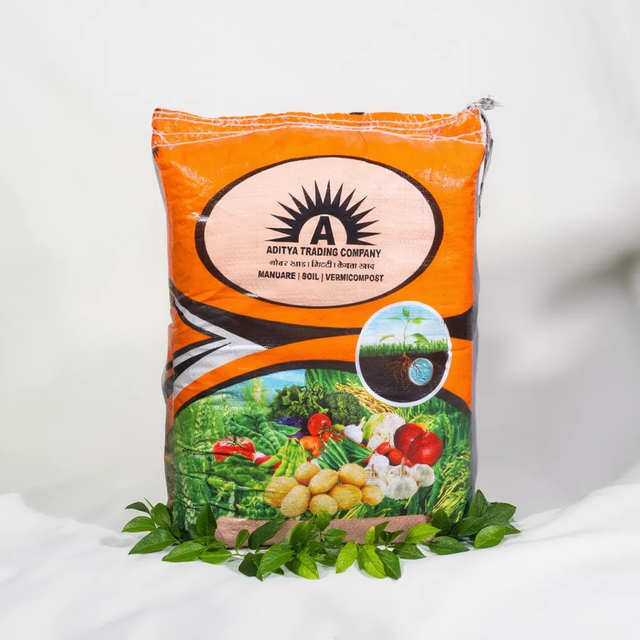
Fresh dung is not ideal to apply directly around plants. It is best used after it has been composted and matured. Ready, well-decomposed manure is easier and cleaner to use in pots, kitchen gardens and lawns. Our pure and organic manure bag is available in 10 kg and 50 kg sizes for home gardens and larger plots.
Using the Ash
The ash left after a hawan or agnihotra is traditionally treated with respect. Many gardeners mix a small amount of cooled ash into the soil of their plant pots or compost. Use it sparingly and mix it well, rather than piling it around the stem.
How to Store Cow Dung Cakes
- Keep them in a dry place, away from moisture and rain. Damp cakes are hard to light and may develop fungus.
- Store them in a cloth bag, paper bag or ventilated box rather than a sealed plastic container.
- In the monsoon, place them in the sun for some time before use if they feel slightly damp.
- Keep them away from the kitchen and food items.
Safety Tips
- Always burn cow dung cakes in a hawan kund, clay pot or metal vessel, never directly on the floor.
- Keep the area well ventilated. Anyone with asthma or breathing concerns should take care and consult a doctor if needed.
- Never leave a fire unattended, and keep children at a safe distance.
- Let the ash cool completely before handling it.
Frequently Asked Questions
What are the main uses of cow dung cakes?
Cow dung cakes are mainly used as fuel for hawan, agnihotra and other sacred fires, for evening dhoop, in festivals like Holika Dahan, and in some rituals for ancestors. Cow dung in composted form is also used as manure for gardening.
Why are cow dung cakes used in hawan?
They are considered pure in Hindu tradition, light easily and burn slowly and steadily, giving a stable fire for offering ahutis of samagri and ghee.
How many cow dung cakes are needed for one hawan?
A small family hawan usually needs only a few cakes along with some samidha. Larger hawans need more. Keep a few extra so the fire does not go out midway.
Can I use the ash of cow dung cakes in my garden?
Many gardeners mix small amounts of cooled ash into pot soil or compost. Use it sparingly and mix it well.
Are gau kande and upale the same?
Yes. Gau kande, kande, upale and gobar ke kande are regional names for the same dried cow dung cakes.
Keep your pooja and hawan preparations simple and traditional. Order pure cow dung cakes and organic manure from Siddhak and bring the purity of Gau Mata into your home and garden.