Guggal Dhoop Sticks: Benefits, Uses and How to Use
Discover guggal dhoop benefits, its place in Shiv pooja and evening aarti, and how to use guggal dhoop sticks on a cow dung base safely in your home mandir.
There is a particular fragrance that many of us connect with temples, Shivalayas and the quiet of an evening aarti – the deep, warm, slightly smoky scent of guggal. For generations, Indian households have offered guggal dhoop to the deities and carried it through every room of the house at dusk. Today, guggal dhoop sticks make this age-old tradition simple to follow in any home mandir.
In this guide we explain what guggal is, the benefits traditionally associated with guggal dhoop, its special place in Shiv pooja, and how to use it properly and safely.
What Is Guggal?
Guggal (also written guggul or gugal) is a natural aromatic resin. It is collected as a gum from the guggal tree, a thorny shrub that grows in the dry regions of western India, including parts of Rajasthan and Gujarat. When the dried resin is warmed or burnt, it releases a rich, balsamic aroma that is instantly recognisable.
Guggal has been part of Indian worship for a very long time. It appears in hawan samagri, in temple dhoop and in the evening dhoop that families offer to the whole household. Because the pure resin is sticky and burns quickly on its own, it is commonly blended into a base to make dhoop sticks, cones and cups that burn steadily.
Why a Cow Dung Base?
In traditional practice, dhoop was often prepared by mixing fragrant resins and herbs with cow dung, which is considered pure and auspicious in Hindu tradition and is used to plaster floors, make hawan fuel and prepare ritual items. Our guggul dhoop sticks for Shiv pooja are made on a cow dung base, keeping them close to this traditional way of making dhoop.
Guggal Dhoop Benefits
The benefits of guggal dhoop described below come from tradition and devotional experience. They are beliefs that have been handed down over generations, not guaranteed outcomes.
- Purity in the home: It is traditionally believed that guggal smoke purifies the atmosphere and makes the home feel sattvic and sacred. Many families make a point of offering guggal dhoop in every room at sandhya time.
- A meditative mood: The deep fragrance of guggal naturally slows people down. Many devotees find it helps them settle into japa, meditation or path.
- Removing heaviness: In folk tradition, guggal dhoop is offered to remove negativity and drishti (the evil eye) from the home. Families often light it after a long, stressful day or when moving into a new house.
- Pleasant natural fragrance: Pure guggal has a warm, resinous scent that many people prefer over sharp synthetic perfumes.
- Connection with tradition: Lighting guggal dhoop is a simple daily act that keeps children connected with the customs of their grandparents.
Guggulu is also mentioned in Ayurvedic texts, but any medicinal use is a matter for qualified practitioners. Guggal dhoop is meant for worship and fragrance. If you or a family member has asthma, allergies or any breathing condition, keep the room well ventilated and consult a doctor for personal advice.
Guggal Dhoop in Shiv Pooja
Guggal is most closely associated with Lord Shiva. In many traditions, a Shiv pooja feels incomplete without guggal dhoop. It is especially offered:
- Every Monday (Somvar), the day dedicated to Shiva
- On Pradosh vrat, in the evening twilight
- Throughout the holy month of Shravan
- On Mahashivratri, through the night-long worship
- During Rudrabhishek and Shiv path at home or in temples
Guggal dhoop is also offered in the worship of Hanuman ji, Bhairav, Maa Durga and Maa Kali, and many households light it on Tuesdays and Saturdays. During Navratri, guggal is a common part of the evening aarti to the Devi.
Dhoop Offering Mantra
While offering dhoop as part of pooja, the following shloka is commonly recited:
वनस्पतिरसोद्भूतो गन्धाढ्यो गन्ध उत्तमः। आघ्रेयः सर्वदेवानां धूपोऽयं प्रतिगृह्यताम्॥
Its meaning: "This dhoop, born of the essence of plants, rich and excellent in fragrance, worthy to be enjoyed by all the gods – please accept it." If you prefer something simpler, chanting Om Namah Shivaya while offering guggal dhoop to Lord Shiva is perfectly fine.
Sticks or Cups: Which Guggal Dhoop to Choose?
| Format | Best For | How It Burns |
|---|---|---|
| Guggal dhoop sticks | Daily pooja, aarti, quick offerings | Light the tip and let it smoulder on a stand |
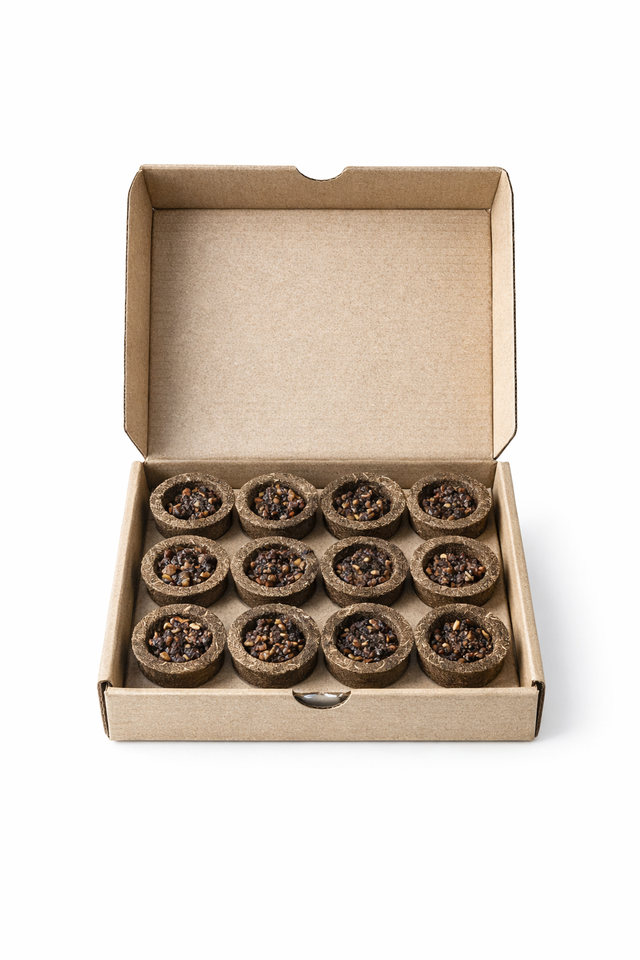
| Cow dung dhoop cups | Evening dhoop through the house, festivals, Navratri | Light the rim and place on a heat-safe plate; the cup burns slowly and releases fragrance |
| Loose guggal resin | Hawan and dhoop on burning coals or cow dung cakes | Sprinkle small pieces on hot embers |
For an evening dhoop through the whole house, many families like dhoop cups, as they are easy to carry on a plate from room to room. Our subrani cow dung dhoop cups with guggul and kapoor are made for exactly this kind of daily sandhya ritual.
How to Use Guggal Dhoop Sticks
- Choose the time: Morning pooja and sandhya (around sunset) are the traditional times for dhoop.
- Prepare a holder: Use a dhoop stand, a brass plate or a clay dish with a little sand or ash.
- Light the stick: Light the tip from your diya, let it catch, then gently wave out the flame so that it smoulders.
- Offer to the deity: Offer the dhoop to Lord Shiva or your ishta devta with a prayer or the dhoop mantra.
- Carry through the home: If your family follows this custom, carry the dhoop on a plate through each room, the main door and the kitchen.
- Let it finish: Place it back on the stand and allow it to burn out completely.
Safety and Care Tips
- Never leave burning dhoop unattended, and keep it away from curtains, paper and small children.
- Open a window or door for ventilation. One stick is usually enough for a small room.
- Store guggal dhoop in a dry, closed box. Natural cow dung based dhoop can absorb moisture in the monsoon.
- The cooled ash can be added to plant pots or immersed respectfully.
How to Identify Good Guggal Dhoop
- The fragrance should be warm and resinous, not sharp or chemical.
- It should light easily and smoulder evenly without going out repeatedly.
- Natural dhoop may vary slightly in colour and texture from batch to batch; this is normal for handmade products.
- Prefer dhoop without a bamboo core if your family avoids burning bamboo in pooja.
Frequently Asked Questions
What are the benefits of guggal dhoop?
Traditionally, guggal dhoop is believed to purify the home, create a calm and sacred atmosphere, and remove negativity. Its warm fragrance is also loved for meditation and aarti. These are traditional beliefs rather than guaranteed results.
Why is guggal offered to Lord Shiva?
Guggal has long been associated with Shiva worship. Its deep, meditative fragrance suits the ascetic nature of Mahadev, and guggal dhoop is a customary offering on Mondays, Pradosh, Shravan and Mahashivratri.
Can I burn guggal dhoop every day?
Yes, many families offer guggal dhoop daily during morning or evening pooja. Keep the room ventilated, and if anyone has breathing concerns, consult a doctor.
What is the best time to light guggal dhoop?
Sandhya time, around sunset, is considered the most traditional time to offer dhoop through the house. It is also offered during morning pooja.
Bring the timeless fragrance of temple guggal into your home mandir. Explore cow dung based guggal dhoop sticks and dhoop cups on Siddhak and make your daily Shiv pooja and evening aarti more peaceful.
/Front.jpeg?width=640&quality=72&resize=contain)