Hawan Samagri: Benefits, Uses and Complete List
What is hawan samagri? Explore its traditional benefits, a complete hawan samagri list and simple steps to perform a peaceful hawan at home with pure samagri.
For thousands of years, Indian homes have gathered around the sacred fire to mark beginnings, celebrate festivals and seek blessings. At the heart of every hawan is hawan samagri – a fragrant blend of herbs, grains, resins and woods that is offered into the fire with each chant of swaha. Whether you are planning a griha pravesh, a birthday hawan, a Navratri ritual or simply want to begin a weekly family tradition, understanding what goes into hawan samagri and how to use it will help you perform the ritual with confidence and devotion.
In this guide we explain what hawan samagri is, the benefits traditionally associated with it, a complete hawan samagri list, and a simple step-by-step method for a home hawan.
What Is Hawan Samagri?
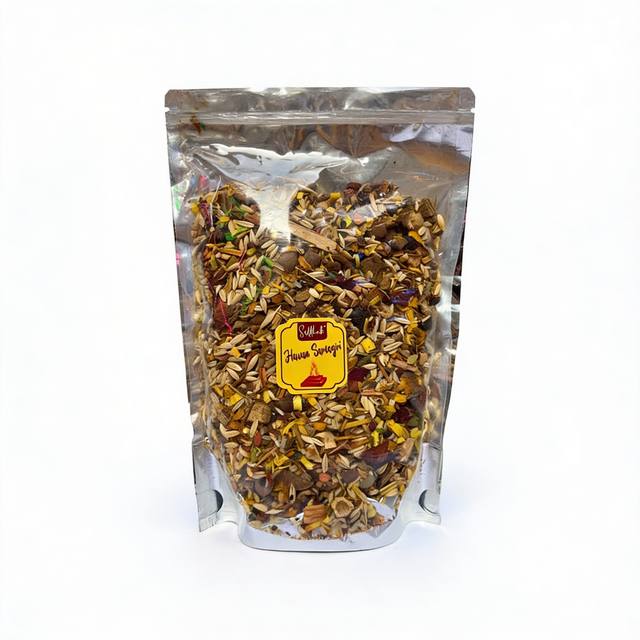
Hawan (also called havan or homa) is a Vedic fire ritual in which offerings, known as ahuti, are made to Agni Dev, the fire deity. Agni is described in the scriptures as the messenger who carries our offerings to the devtas. Hawan samagri is the mixture of natural ingredients offered during these ahutis. A good samagri is dry, aromatic and free from artificial fragrance, so that it burns cleanly and releases the natural scent of its herbs.
Traditionally, families prepared their own samagri at home before big occasions, cleaning and drying each herb by hand. Today, most households prefer a ready, well-balanced blend such as our pure and organic hawan samagri, which saves time while keeping the ingredients traditional.
Benefits of Hawan Samagri
The benefits of hawan samagri are described in our traditions in spiritual, emotional and environmental terms. These are beliefs passed down through generations rather than guaranteed outcomes, but they explain why the ritual continues to be so loved.
- A sense of purity: It is traditionally believed that the aromatic smoke of herbs like guggal, loban and camphor purifies the space and creates a sattvic atmosphere in the home.
- Calm and focus: Sitting before the fire, chanting mantras and offering ahutis slowly and attentively helps many people feel peaceful and centred.
- Natural fragrance: Herbs such as jatamansi, nagarmotha, sugandh bala and sandalwood fill the room with a gentle, earthy fragrance that lingers after the ritual.
- Family togetherness: A hawan brings the whole family together. Children learn mantras, customs and the meaning of gratitude by participating.
- Auspicious beginnings: Hawan is traditionally performed to mark new homes, new businesses, weddings, naming ceremonies and festivals, and is believed to invite blessings and positivity.
A gentle note: hawan smoke is still smoke. If anyone in the family has asthma, allergies or other breathing concerns, perform the hawan in a well-ventilated space and consult a doctor for personal health advice.
Complete Hawan Samagri List
Recipes vary between regions and family traditions, but most hawan samagri blends draw from the following ingredients. Use this hawan samagri list as a checklist when preparing for a ritual.
| Ingredient | Hindi Name | Traditional Role |
|---|---|---|
| Barley | Jau | One of the oldest Vedic offerings, symbolising abundance |
| Black sesame | Kala til | Offered for peace and to honour ancestors |
| Rice | Chawal / Akshat | Symbol of completeness and prosperity |
| Guggal resin | Guggul | Rich, smoky fragrance, much loved in Shiv pooja |
| Loban (benzoin resin) | Loban | Sweet, resinous aroma used for purification |
| Camphor | Kapoor | Helps light the fire and adds a clean fragrance |
| Spikenard | Jatamansi | Earthy, calming aroma |
| Nut grass root | Nagarmotha | Aromatic root used in many traditional blends |
| Sandalwood powder | Chandan | Cooling, sacred fragrance |
| Agar and tagar | Agar-tagar | Fragrant woods traditionally used in samagri |
| Bael fruit pieces | Bel giri | Associated with Lord Shiva |
| Dry coconut | Gola | Used especially for the purnahuti (final offering) |
| Jaggery or sugar, raisins | Gud / Shakkar, Kishmish | Sweet offerings symbolising gratitude |
What You Need Besides Samagri
- A hawan kund (copper, iron or brick)
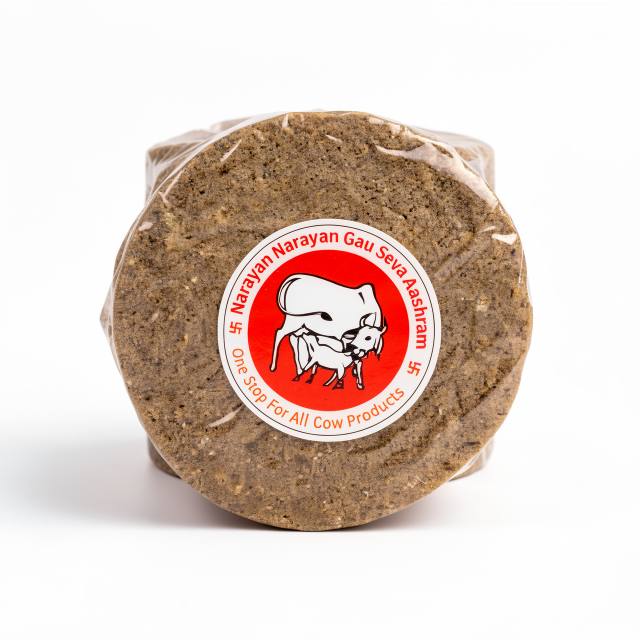
- Samidha – dry wood such as mango wood – or pure cow dung cakes as the fire base
- Pure desi ghee and a small spoon (sruva) for ahutis
- Camphor to light the fire
- A dry coconut for purnahuti, plus flowers, roli, akshat, kalawa and a water lota
How to Perform a Simple Hawan at Home
A family hawan does not need to be elaborate. If you are doing it for a major sanskar, it is best to invite a priest. For a simple home ritual, the following steps are widely followed:
- Prepare the space: Choose a clean, airy spot, preferably facing east or north. Bathe and wear clean clothes.
- Set up the kund: Place a few cow dung cakes or pieces of mango wood in the hawan kund, with a little camphor in between.
- Sankalp and prayer: Sprinkle water for purification, light a diya, and begin by remembering Lord Ganesha. State your intention (sankalp) for the hawan.
- Light the fire: Ignite the camphor and let the fire settle. Offer a few drops of ghee to strengthen the flame.
- Offer ahutis: Take a small pinch of hawan samagri with the right hand and offer it into the fire as each mantra ends with swaha. Many families chant the Gayatri Mantra – Om Bhur Bhuvah Swah, Tat Savitur Varenyam, Bhargo Devasya Dheemahi, Dhiyo Yo Nah Prachodayat – 11, 21 or 108 times.
- Purnahuti: Fill the dry coconut with samagri and a little ghee and offer it into the fire as the final offering.
- Aarti and prayer: Perform aarti, pray for the well-being of all, and distribute prasad.
Helpful Tips
- Offer small pinches of samagri. Large handfuls can smother the flame and create excess smoke.
- Keep the samagri dry and in an airtight container. Moisture makes it burn poorly.
- Let the fire cool completely on its own. The ash can later be added to plant pots or immersed respectfully.
- Keep children at a safe distance and never leave the fire unattended.
When Is Hawan Performed?
Hawan can be performed on any day with a pure intention, but it is especially popular on Navratri, Diwali, Ram Navami, Janmashtami, Makar Sankranti, purnima and amavasya. Families also perform it for griha pravesh, mundan, naamkaran, weddings, birthdays, anniversaries, business openings and on the shraddh days of ancestors. Many households choose a weekly Sunday hawan as a peaceful family routine.
How to Choose Good Hawan Samagri
- Natural fragrance: It should smell of herbs and resins, not of synthetic perfume.
- Dry and clean: Avoid samagri that feels damp, dusty or has visible stones and husk.
- Balanced blend: A good mix contains grains, resins, aromatic roots and woods in sensible proportion.
- Right quantity: A small pack is enough for a short daily or weekly hawan; larger packs suit festivals, kathas and community rituals.
Frequently Asked Questions
What is hawan samagri made of?
Hawan samagri is usually a blend of grains like barley, rice and black sesame, resins like guggal and loban, aromatic roots such as jatamansi and nagarmotha, sandalwood powder, camphor, dry coconut and sweet offerings like jaggery. Exact recipes differ by region and family tradition.
How much hawan samagri is needed for one hawan?
It depends on the number of ahutis and participants. A short family hawan with 108 ahutis usually needs a modest quantity, while a larger ritual with a priest and many participants needs more. When in doubt, keep a little extra so that every family member can offer ahutis.
Can I perform hawan at home without a priest?
Yes, a simple hawan with the Gayatri Mantra or other familiar mantras can be performed by the family at home. For major sanskars such as weddings or upanayana, it is best to follow your family tradition and invite a priest.
Is cow dung cake necessary for hawan?
It is not compulsory, but cow dung cakes are a traditional and much-preferred fire base because they light easily and burn steadily. Many families use them together with mango wood samidha.
How should I store hawan samagri?
Store it in an airtight container in a cool, dry place away from moisture and direct sunlight. This keeps the fragrance fresh and helps it burn well.
Ready to bring the warmth of the sacred fire into your home? Explore pure, traditionally prepared hawan samagri and cow dung cakes on Siddhak and get everything you need for your next hawan delivered to your doorstep.